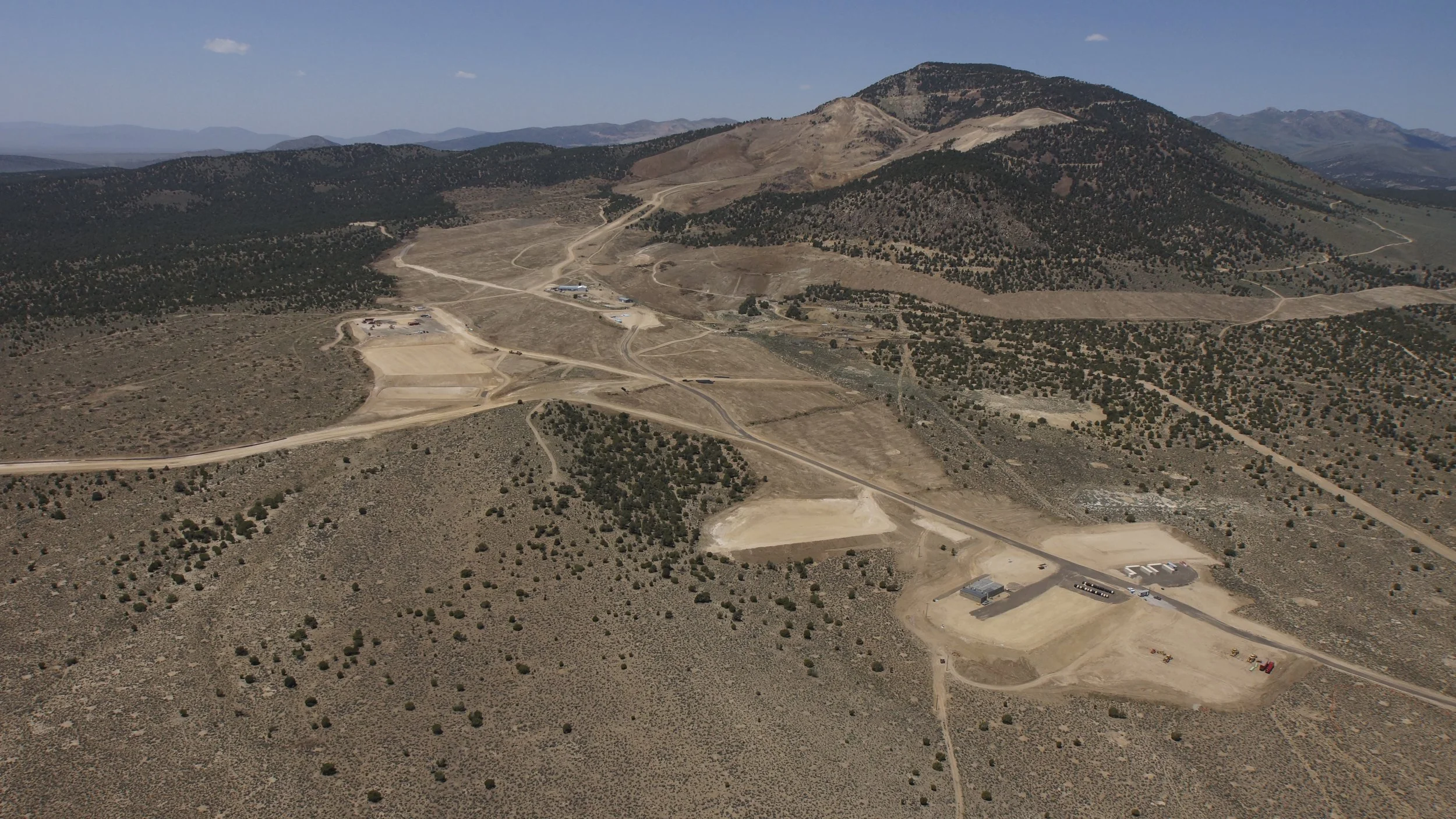
Mt. Hope Project - Nevada, USA
The Largest Undeveloped Primary Molybdenum Project in North America
In the heart of Nevada’s Carlin Trend, this world-class molybdenum deposit is one of the largest undeveloped primary molybdenum resources globally, boasting exceptional geological and economic potential.
The NI 43-101 compliant feasibility study completed in 2022 shows a mine life of 41 years, anticipated production of 1.2 billion pounds of saleable molybdenum and C1 costs of less than $10.00 per pound.
The Mt. Hope Project is vital to strengthening the United States’s critical minerals supply chain. Mt. Hope is poised to become one of the most significant global sources of molybdenum, representing a critical step in reducing reliance on foreign mineral imports for strategically important areas of the western economy including energy, infrastructure, and defence.
Location
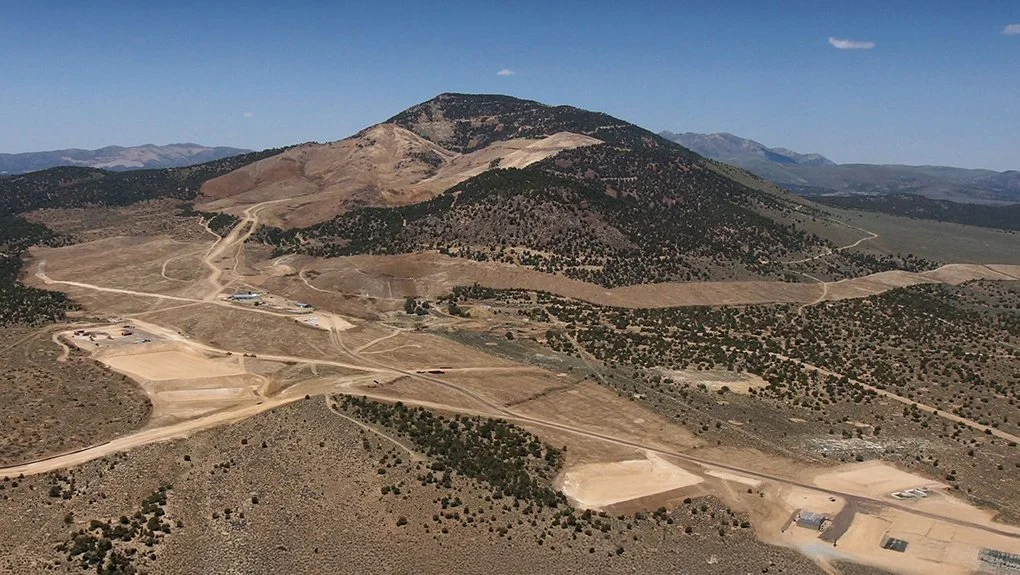
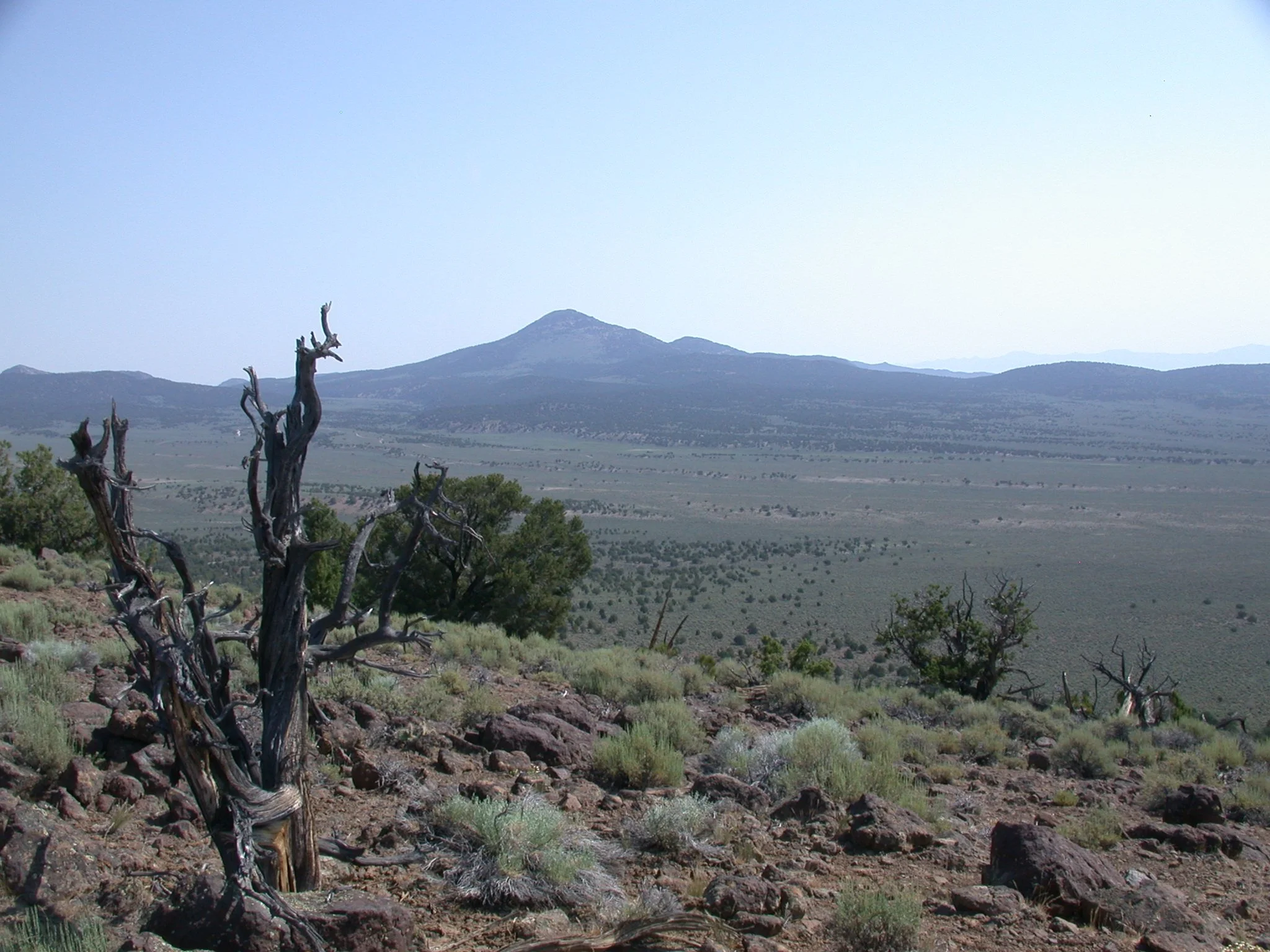
The Mt. Hope Project is strategically located approximately 22 miles northwest of Eureka, Nevada, in a prime mining jurisdiction. Its position in the heart of Nevada's prolific Carlin Trend provides several logistical and operational advantages.
The site is within 1.5 miles of a paved highway, 22 miles from a 230 kV electrical substation, and has sustainable ground water resources. With excellent infrastructure and access to skilled labour in a mining focused region, Mt. Hope is positioned to move rapidly into production.
Geology
Mt. Hope is a molybdenum porphyry system, comparable in structure to the well-known, but partially depleted deposits at Henderson and Climax, Colorado. The Mt. Hope deposit features high-grade molybdenum in the form of molybdenite (MoS2). The mineral zones consist of quartz porphyry rocks enriched with molybdenite through quartz stockwork veining.
While the primary focus is on molybdenum, the property also holds potential for recovering zinc, gold and potentially other metals, indicating further exploration opportunities.
Permitting Status
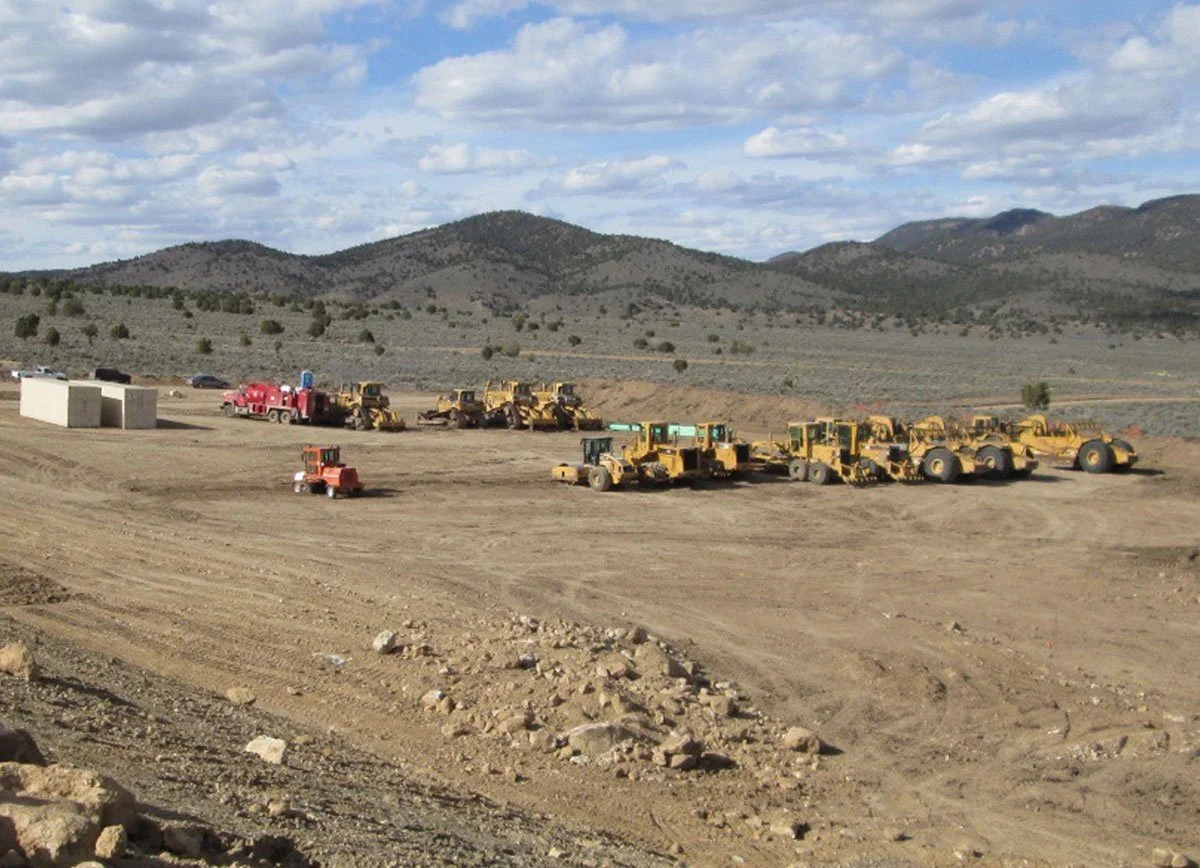
Mt. Hope is now permitted for development following the February 24, 2026 Record of Decision by the U.S. Bureau of Land Management (BLM).